.png)
Winter Storm Safety: Protecting Yourself From Carbon Monoxide During Severe Weather


A major winter storm is expected to stretch from Texas through New England this weekend, bringing snow, ice, power outages, and dangerous conditions to millions of people. As families prepare for cold temperatures and possible disruptions, we want to remind everyone that carbon monoxide (CO) safety is a key part of winter storm preparedness.
Carbon monoxide is an invisible, odorless gas that can quickly become deadly. During winter storms, the risk of CO exposure rises sharply due to increased use of generators, fuel-burning appliances, fireplaces, and vehicles. Taking a few preventive steps now can help keep you and your loved ones safe.
Why Do Winter Storms Increase CO Risk?

Severe winter weather often leads to power outages and heavy reliance on alternative heat and power sources. CO incidents commonly occur when:
Portable generators are used incorrectly
Vehicles are left running in garages or near homes
Fuel-burning appliances or fireplaces are blocked by snow or ice
Grills or camp stoves are used indoors for heating or cooking
Car exhaust is blocked with snow
These are a few situations that can cause carbon monoxide to build up quickly, sometimes with little warning.
Carbon Monoxide Safety Tips During Winter Storms
Use generators safely
Only use generators outdoors, at least 20 feet away from doors, windows, and vents
Never run a generator in your home, garage, basement, or near open windows
Make sure snow does not block the generator exhaust
Never use outdoor equipment indoors
Do not use grills, camp stoves, propane heaters, or charcoal indoors or in enclosed spaces
These devices are designed for outdoor use only and can produce dangerous levels of CO
Check vents and exhausts
Keep furnace, dryer, and water heater vents clear of snow and ice
Blocked vents can cause CO to back up into your home
Ensure the exhaust pipe on your car is snow-free

Be cautious with fireplaces and heaters
Make sure chimneys and flues are open and unobstructed before use
Never leave a fire unattended
Only use approved fuel for your heating equipment
Never warm up your car in an enclosed space
Do not idle vehicles in garages, even with the garage door open
Move vehicles outside immediately after starting
Make Sure Your CO Alarms Are Working
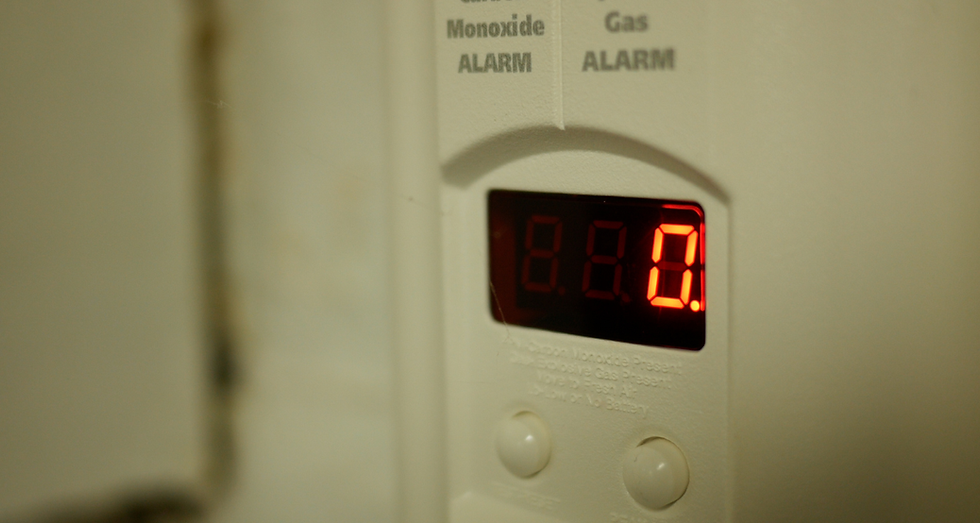
Working carbon monoxide alarms are one of the most effective ways to prevent tragedy.
Install CO alarms on every level of your home and near sleeping areas
Test alarms before the storm hits
Replace batteries if needed
If a CO alarm sounds, get everyone outside to fresh air immediately and call 911 or your local fire department.
Carbon Monoxide Symptoms
Carbon monoxide poisoning is often called a “great mimicker” because its symptoms can look like the flu, migraines, anxiety, or other neurological conditions. Headaches, dizziness, nausea, confusion, and fatigue may seem mild or temporary, making CO exposure easy to miss or misdiagnose.
What many people don’t realize is that carbon monoxide poisoning can cause delayed symptoms, sometimes appearing weeks, even up to eight weeks, after exposure. It could potentially lead to permanent brain damage. Because carbon monoxide leaves the bloodstream quickly, a COHb blood test must be done within about four hours of exposure to confirm poisoning. Without it, later symptoms may have no clear medical explanation.
General Winter Storm Safety Reminders
In addition to CO safety, remember to:
Keep emergency supplies on hand, including flashlights, batteries, blankets, and non-perishable food
Dress in layers to stay warm and avoid hypothermia
Check on neighbors, especially older adults and those with limited mobility
Never use ovens or stovetops to heat your home

Please Stay Informed and Stay Safe!
Winter storms can be unpredictable, but carbon monoxide poisoning is preventable. Preparing in advance and following safe practices can make all the difference.
As this storm moves across the country, NCOAA encourages everyone to put safety first and help spread awareness. Share these tips with family, friends, and neighbors so that everyone can stay warm, powered, and protected.
For more carbon monoxide safety resources and information, visit ncoaa.us.
Stay safe, stay prepared, and stay CO aware.


Comments