.png)
May Is Mental Health Month: More Good Days, Together, and Carbon Monoxide Safety


The 2026 Mental Health Month theme, “More Good Days, Together,” invites us to reflect on what a good day means, for ourselves, our families, and our communities. More good days are possible when we build strong support systems, care for one another, and create safer, healthier environments for everyone.
Mental Health, Brain Health, and Carbon Monoxide Safety
At the National Carbon Monoxide Awareness Association, we believe more good days begin with safety. Mental health is deeply connected to physical health, brain health, and the environments where we live, work, travel, and gather.

Carbon monoxide, or CO, is often called the “silent killer” because you cannot see it, smell it, or taste it. Exposure can cause headaches, dizziness, weakness, nausea, confusion, altered mental status, and even death. For survivors, the effects may also include memory problems, difficulty concentrating, mood changes, anxiety, sleep disruption, and other neurological or mental health challenges.
That is why it is so important to think of carbon monoxide when symptoms are new, unexplained, or affecting more than one person or pet in the same space.
Substance use can make carbon monoxide safety more complicated. Alcohol, cannabis, sedatives, or other substances may make it harder to recognize symptoms, respond quickly to an alarm, or safely leave an exposure situation. If someone is struggling with mental health or substance use concerns, support matters. SAMHSA’s National Helpline offers free, confidential treatment referral and information for individuals and families facing mental health or substance use disorders. The 988 Lifeline is also available for mental health, substance use, or suicidal crisis support.
Many of our readers already understand the importance of working carbon monoxide alarms. This month, we are asking you to take one more simple step: share that reminder with your network, colleagues, family, and friends.
Everyday Activities Can Introduce Carbon Monoxide Risks
Think about life’s big transitions and everyday adventures: moving into a new home, going on vacation, buying a new car, starting a new job, opening a cabin for the season, camping, boating, or spending time in recreational spaces. Each of these moments can introduce new carbon monoxide risks.
After buying a beautiful new home, Crystal Evers, Mrs. Illinois USA 2026, and her family had no idea carbon monoxide would become part of their story. Crystal tragically lost her mother to carbon monoxide poisoning a few years ago.
“We had no warning,” she shared.
Her experience reminds us that CO can enter our lives during major life moments, often when we least expect it.
Carbon Monoxide Alarm Safety Tips
Be prepared. Bring a carbon monoxide alarm.
Install CO alarms on every level of your home and near sleeping areas. Test them regularly, replace batteries as needed, and follow the manufacturer’s replacement date. When choosing a CO alarm, look for a listed, working alarm that fits your home, workplace, travel, or recreation needs.
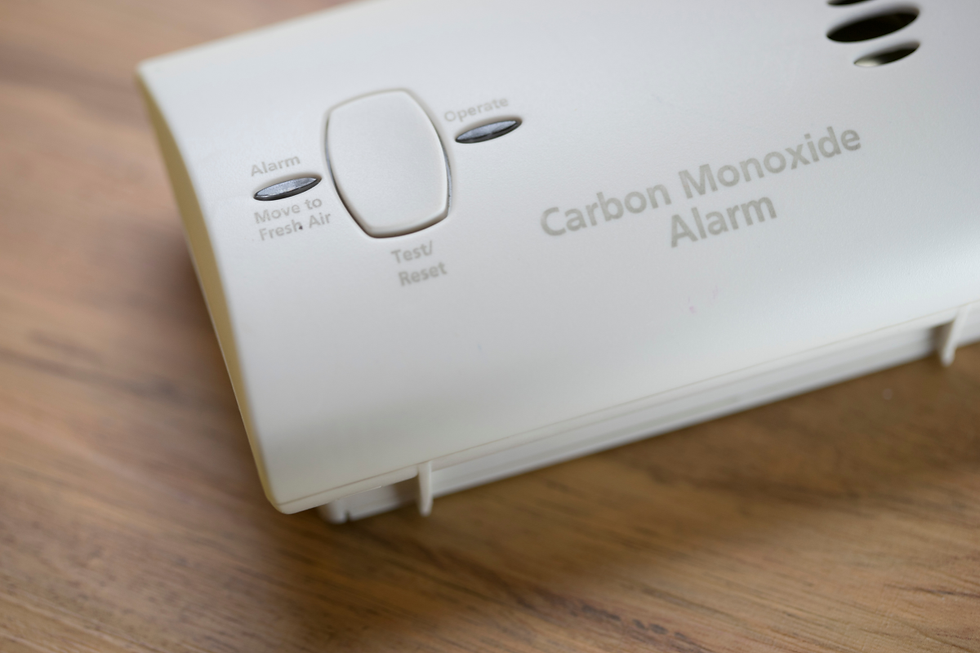
It is also important to understand how home CO alarms work. In the United States, home carbon monoxide alarms are designed and manufactured according to UL 2034 standards. This means they are designed to sound when CO levels remain above certain thresholds, such as 70 parts per million for up to four hours, and they are not designed to alert at levels below 30 parts per million. A working CO alarm is essential, but symptoms and safety concerns should never be ignored.
Consider portable CO alarms for travel, work, and recreation, especially anywhere fuel-burning appliances, vehicles, generators, fireplaces, grills, boats, or enclosed spaces may be present.
Think Carbon Monoxide When Symptoms Don’t Make Sense
If you or someone you know is experiencing new or unexplained symptoms, including headache, fatigue, confusion, mood changes, anxiety, sleep disruption, or trouble concentrating, remember to think carbon monoxide. Mental health can have physical and environmental contributors, and CO exposure is preventable.
If a CO alarm sounds or you suspect exposure, get everyone to fresh air immediately and call emergency services. Do not ignore symptoms, especially when more than one person or pet feels unwell.

This May, let’s work toward more good days, together by protecting our mental health, our brain health, and our communities from a preventable danger.
Share the reminder. Check your alarms. Bring one with you.
Additional resource:
Mental Health America’s 2026 Mental Health Month Action Guide: https://mhanational.org/2026-mental-health-month-action-guide/
About the National Carbon Monoxide Awareness Association (NCOAA)
The National Carbon Monoxide Awareness Association (NCOAA) is a nonprofit organization dedicated to preventing carbon monoxide poisoning through education, advocacy, and collaboration. We work with experts, industry leaders, and policymakers to advance safety standards, promote the use of certified carbon monoxide detection, and raise awareness about the dangers of CO. Through initiatives like Hill Day and our national coalition, NCOAA is committed to turning awareness into action and helping protect families and communities across the country.
Learn more about carbon monoxide safety and prevention at: www.ncoaa.us.


Comments